Building a Character from Scratch
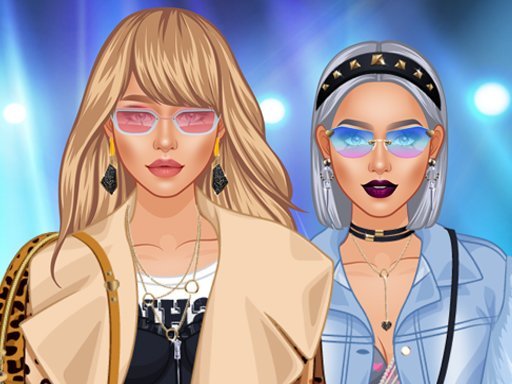
Every design session starts with a base character. You choose skin tone and eye color, then pick a facial expression to set the character's mood. These initial decisions shape how the rest of the outfit reads, so it pays to think about the overall vibe before browsing the wardrobe. The process is click-and-drag simple, and nothing locks in permanently.
Mixing and Matching the Wardrobe
The wardrobe covers tops, bottoms, dresses, shoes, and accessories like bags, bows, and glasses. Hairstyles and hair colors are also customizable, which matters because a single change in hair can shift a look from school-uniform neat to streetwear casual. Items apply instantly, and you can swap pieces as many times as you like. There is no scoring system or time limit, so experimentation is the point.
Sharing and Saving Designs
When a look feels finished, you can save it or share it online. That share function turns a solo design session into something social: friends can see your combinations and offer feedback. Because the interface is built for quick sessions, you can complete a full outfit in a few minutes or keep refining for much longer. The tool is designed for all ages, with family-friendly content throughout.
A Relaxed Creative Space
Nothing here pressures you to compete or optimize. The appeal is in color coordination and themed outfits, and in using expressions and hairstyles to give each character a distinct identity. If you are new to character design, the lack of complex controls keeps the focus on creativity. If you have experience, the range of items still leaves room for detailed, cohesive looks.






Comments
0 comments