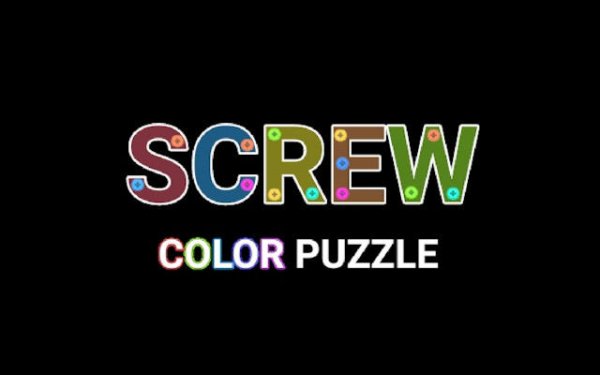
Core Matching Mechanic
Every piece on the board has one or two colors, and your task is to place it into a slot that matches those colors exactly. The board fills as you work, so each placement affects what remains possible. This is not a game of speed but of observation: you need to recognize which piece belongs where before the board becomes crowded. The challenge comes from planning several moves ahead, not from reacting quickly.
How Difficulty Grows
Early boards use straightforward one-to-one matches, letting you learn the rules without pressure. Later arrangements introduce obstacles that block certain slots or pieces that must be aligned precisely before they fit. The increase is gradual, so new players can build confidence while experienced puzzle fans still find later stages demanding. Because the game never rushes you, the difficulty comes entirely from the logic of each layout.
Controls on Desktop and Mobile
On a computer, you click and drag a piece into its matching slot. On a phone or tablet, you tap and swipe instead. Both control schemes are responsive and the interface stays out of the way, so the focus remains on the puzzle. There is no timer and no penalty for taking your time, which makes the game approachable for children and adults alike.
Visual Style and Pace
The graphics are bright and minimal, with colors chosen to be easy to tell apart. No distracting animations or sound effects interrupt your thinking. That restraint supports a calm, thoughtful session whether you play for a few minutes or a longer stretch. The content is family-safe, and the absence of time pressure means players of different ages can enjoy it on equal terms.







Comments
0 comments