The Dual Matching Rule
Patterns & Hues Puzzle asks players to connect two items that share both a shape and a color. That dual requirement separates it from simpler matching games, where a single shared trait is enough. Each successful connection removes those pieces from the grid, freeing space and moving the player toward the level's goal. The core loop is observation, then action: scan the board, spot a valid pair, and connect it. Because there is no timer, the pace is set by the player rather than the game.
How Levels Change Over Time
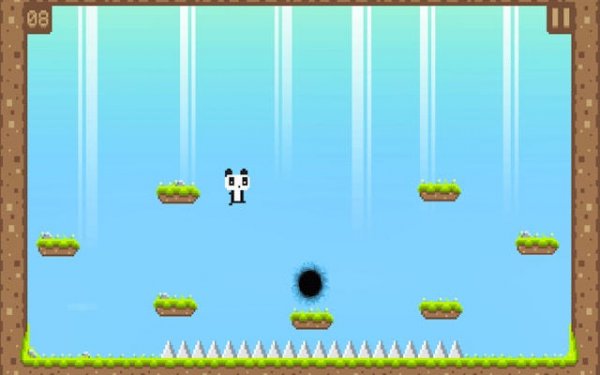
Early boards are open and forgiving, effectively teaching the matching rule through play. As players advance, layouts grow more intricate. Limited moves and locked pieces appear, so each connection needs to serve a purpose rather than just clear the nearest pair. Some levels borrow platformer-style arrangements, where the placement of shapes mimics the structure of a platforming stage. That spatial twist asks players to read the board differently, not just look for color pairs. Animal-themed visuals run throughout, giving the obstacles and decorations a friendly, approachable character.
Reading the Board
The art style is bright and clean, with clearly outlined shapes and contrasting colors. That clarity matters because the game depends on quick visual identification: if a shape's outline or hue is ambiguous, the matching rule breaks down. Animal characters are drawn in a cute, cartoonish manner, and backgrounds stay simple with subtle animation. The result is a calm screen that supports careful scanning rather than frantic tapping.
Controls and Platform Fit
Patterns & Hues Puzzle works on both mobile devices and desktop computers. On a touchscreen, players tap to select and connect matching items; on a computer, the same actions use a mouse click. The interface adapts to screen size so buttons and pieces stay easy to interact with. That flexibility lets the game fit a short commute or a longer session at home without changing how it plays.
Difficulty and Planning
The difficulty curve rises gradually. Early levels build confidence, while later stages reward foresight: obstacles may block certain pieces or require multiple matches to remove. The game avoids punishing failure, instead favoring careful observation and pattern recognition. Players who plan two or three moves ahead tend to avoid getting stuck when moves are limited, and large matches that clear several pieces at once can trigger chain reactions as new pieces fall into place.








Comments
0 comments