Color Stack Puzzle Challenge
Review
Color Stack Puzzle Challenge stands out in the puzzle genre by adding a descending sensor that raises the stakes with every move. The core matching mechanic is simple, but the pressure of the sensor forces players to think ahead and prioritize clears. The colorful blocks and clear visual feedback make it easy to follow, while the increasing difficulty keeps sessions engaging. It is a solid choice for casual players looking for a thoughtful puzzle game that respects their time.
About This Game
Core Gameplay Loop
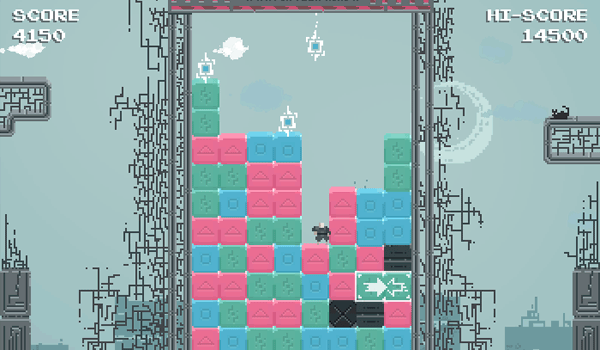
In Color Stack Puzzle Challenge, the central activity involves selecting three neighboring blocks of the same color. When matched, these blocks vanish, causing the remaining tiles to settle and lowering the overall height of the stack. The challenge comes from a sensor line that steadily descends from the top of the screen. If the sensor touches the highest block, the player loses a life. This creates a continuous cycle of clearing and reacting, where each match buys a little more time.
Sensor Pressure and Timing
The sensor line is the game's primary source of tension. It moves downward at a consistent pace, forcing players to prioritize matches that remove the tallest blocks. The interaction between the rising stack and the falling sensor requires players to balance speed with accuracy. Rushing often leads to missed matches, while careful observation allows for efficient clears. Over time, the sensor may speed up or the stack may grow faster, increasing the difficulty.
Visual Feedback and Patterns
Each block is brightly colored, and the game uses visual cues to indicate when a match is possible. The sensor line is clearly marked, and the blocks have distinct shapes and shades. Some sessions may introduce different color patterns or arrangements, which keeps the gameplay from becoming repetitive. The visual feedback from a successful match is satisfying, with blocks disappearing and the stack visibly lowering. This clarity helps players quickly assess the board and plan their next move.
Strategy for Consistent Clearing
Effective players focus on clearing blocks from the center of the stack to prevent uneven piles that can quickly reach the sensor. Prioritizing matches that remove the highest blocks is a common strategy. Recognizing adjacent same-color blocks quickly improves reaction time. Staying calm under pressure is important, as panic can lead to missed matches. Regular play helps players anticipate block patterns and develop efficient clearing routines. The goal is consistent clearing rather than rushing, as each match lowers the stack and buys more time.
Accessibility and Session Length
The controls are simple: tap or click on three matching blocks that are next to each other. This makes the game easy to pick up for short sessions, such as during a break, or for longer play periods. The family-friendly design ensures that players of all ages can enjoy the challenge without exposure to inappropriate content. The escalating difficulty provides depth for those who want to improve their performance, while the basic mechanics remain accessible to newcomers.





Comments
0 comments