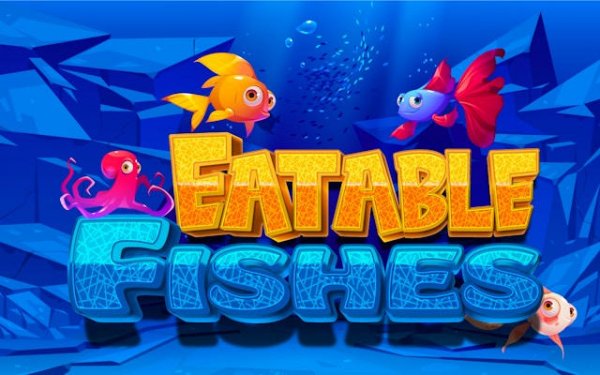
Survival in a Shifting Ocean
Ocean Math Fishing Challenge casts you as a small fish in a dynamic underwater environment. The core objective is straightforward: stay alive. You catch smaller fish to maintain energy while steering clear of larger predators. Hunger is tracked by a meter, so eating at the right moment matters. The ocean conditions and creature behavior change each session, which means you cannot rely on memorized routes or timing. Every run asks you to read the environment fresh and adjust.
Tools, Trade, and Upgrades
You begin with basic equipment such as a fish hook and wooden sticks. Catching smaller fish builds resources, and those resources can be traded for currency. Currency goes toward upgrades like a larger boat, which opens up new areas to explore and gives you better options for evading threats. The progression loop is clear: catch, trade, upgrade, survive longer. Early upgrades tend to matter most because they expand where you can safely operate.
Math, Reflexes, and Ability
The math and ability tags point to a mix of quick thinking and fast reactions. Simple math problems or rapid decision-making appear to be part of the challenge, though the exact format is not detailed in the source material. What is clear is that success depends on both reflexes and strategic choices. You are not just reacting to what you see; you are also managing hunger, resources, and positioning at the same time.
Using the Environment to Stay Alive
Coral reefs and kelp forests serve as hiding spots. When a predator is nearby, ducking into cover can break its pursuit. These safe zones are not permanent refuges, so you still need to move and feed. Learning creature behavior patterns helps you anticipate threats rather than react late. The environment itself is a tool, not just a backdrop.









Comments
0 comments